Missing teeth can affect much more than your appearance. They can make eating uncomfortable, alter your speech, and even lead to bone loss in the jaw over time. Fortunately, modern dentistry offers a long-lasting solution through dental implants. If you've been researching tooth replacement, you've probably asked yourself, what are the 3 types of dental implants?
Understanding the answer to what are the 3 types of dental implants?" can help you make an informed decision about restoring your smile. Each type of implant is designed for specific situations, depending on your jawbone health, the number of missing teeth, and your overall oral condition.
At True Dental in Schertz, TX, we believe that every patient deserves personalized care and clear guidance before beginning treatment. In this article, we'll explain the three main types of dental implants, who they're best suited for, and how your dentist determines the right option for your smile.
Why Dental Implants Are Considered the Gold Standard
Before exploring the 3 types of dental implants, it's helpful to understand why implants have become the preferred solution for replacing missing teeth.
Unlike removable dentures or traditional bridges, dental implants replace both the visible tooth and its root. This allows the implant to fuse naturally with the jawbone, creating a stable foundation that feels and functions much like a natural tooth.
Benefits of dental implants include:
-
Natural appearance
-
Improved chewing ability
-
Better speech
-
Long-lasting durability
-
Prevention of jawbone loss
-
Improved confidence
With proper care, dental implants can last for decades, making them one of the most reliable investments in your oral health.
What Are the 3 Types of Dental Implants?
If you're wondering what the 3 types of dental implants are, the answer includes three primary categories used in modern dentistry:
-
Endosteal Implants
-
Subperiosteal Implants
-
Zygomatic Implants
Each serves a different purpose based on a patient's anatomy and treatment needs.
1. Endosteal Implants
Endosteal implants are the most commonly used dental implants today.
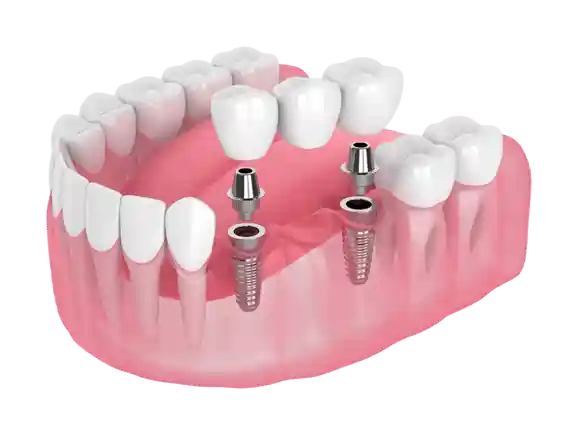
These implants are placed directly into the jawbone using a small titanium post that acts as an artificial tooth root. After placement, the implant gradually fuses with the surrounding bone through a process called osseointegration.
Once healing is complete, an abutment and custom-made dental crown are attached to restore the missing tooth.
Best Candidates
Endosteal implants are ideal for patients who:
-
Have healthy jawbone density
-
Are missing one or more teeth
-
Maintain good oral hygiene
-
Have healthy gums
Advantages
-
Excellent long-term success rates
-
Strong, stable foundation
-
Natural appearance
-
Comfortable chewing
-
Can support crowns, bridges, or dentures
Because of their reliability and durability, endosteal implants are considered the standard option for most patients.
2. Subperiosteal Implants
The second answer to "What are the 3 types of dental implants?" is the subperiosteal implant.
Unlike endosteal implants, these implants are not inserted directly into the jawbone. Instead, a custom metal framework is placed beneath the gum tissue but rests on top of the jawbone. Posts extend through the gums to support replacement teeth.
Subperiosteal implants are less common today because advances in bone grafting allow more patients to qualify for traditional implants. However, they remain an effective solution in certain situations.
Best Candidates
Subperiosteal implants may be recommended for patients who:
-
Have significant bone loss
-
Cannot undergo bone grafting
-
Need additional implant support
-
Have medical conditions that limit surgical procedures
Advantages
-
Avoids extensive bone grafting
-
Shorter treatment timeline in some cases
-
Suitable for patients with insufficient bone volume
Your dentist will carefully evaluate whether this approach is appropriate based on your individual needs.
3. Zygomatic Implants
The third answer to what are the 3 types of dental implants?" is the zygomatic implant.
These are the most specialized type of dental implant and are typically reserved for patients with severe upper jaw bone loss.
Rather than anchoring into the upper jaw, zygomatic implants are secured into the cheekbone (zygoma), which provides a stronger foundation when little jawbone remains.
Because the procedure is more complex, it is performed only by dentists or oral surgeons with advanced implant training.
Best Candidates
Zygomatic implants are often recommended for patients who:
-
Have severe upper jaw bone deterioration
-
Have been told they are not candidates for traditional implants
-
Want to avoid extensive bone grafting procedures
Advantages
-
Provide support even with minimal upper jawbone
-
May eliminate the need for major bone graft surgery
-
Restores function for complex cases
Although less common, zygomatic implants have helped many patients regain healthy, functional smiles.
How Does Your Dentist Decide Which Implant Is Right?
Now that you understand what the 3 types of dental implants are, you may wonder how dentists choose the best one.
Several factors are considered during your consultation, including:
Bone Density
A healthy jawbone is essential for supporting implants. Advanced 3D imaging allows your dentist to measure available bone with precision.
Number of Missing Teeth
Whether you're replacing one tooth, several teeth, or an entire arch influences the treatment plan.
Overall Health
Medical conditions, medications, smoking habits, and healing ability all affect implant success.
Long-Term Goals
Some patients prioritize shorter treatment times, while others focus on maximum longevity and aesthetics.
Every smile is unique, which is why customized treatment planning is essential for achieving lasting results.
Are Dental Implants Safe?
Yes. Dental implants have been successfully used for decades and have one of the highest success rates in modern dentistry.
When placed by experienced professionals and properly maintained, success rates commonly exceed 95%.
Good oral hygiene, routine dental visits, and avoiding tobacco products all contribute to long-term implant success.
Caring for Your Dental Implants
Dental implants are designed to function like natural teeth, but they still require proper care.
To keep your implants healthy:
-
Brush twice daily using a soft-bristled toothbrush.
-
Floss around the implant every day.
-
Attend regular dental cleanings and examinations.
-
Avoid chewing hard objects like ice or pens.
-
Wear a nightguard if you grind your teeth.
Consistent maintenance helps protect both the implant and the surrounding gum tissue.
Why Professional Evaluation Matters
While many people search online for what the 3 types of dental implants are, the best choice ultimately depends on a comprehensive dental evaluation.
Modern technology, including digital scans and 3D cone beam imaging, allows dentists to assess your jawbone, identify underlying concerns, and create a personalized treatment plan tailored to your smile.
At True Dental, we combine advanced diagnostic technology with compassionate, patient-focused care to ensure every implant treatment is planned with precision and long-term success in mind.
Final Thoughts
If you've been asking what the 3 types of dental implants are, the answer includes endosteal implants, subperiosteal implants, and zygomatic implants. Each option serves a different purpose, and the right choice depends on your bone structure, oral health, and treatment goals.
Dental implants offer a durable, natural-looking solution for replacing missing teeth and restoring confidence. Whether you need to replace a single tooth or require a more comprehensive restoration, choosing the right implant begins with an expert evaluation.
If you're considering dental implants in Schertz, TX, the experienced team at True Dental is here to help. We'll guide you through every step of the process, answer your questions, and develop a treatment plan designed specifically for your needs. Schedule your consultation today and take the first step toward a healthier, stronger, and more confident smile.